
Sleep Center
at NorthStar Medical Specialists
Sleep Brochure PDF
What is a Sleep Study?
Sleep Disorders
Insomnia Treatments
Treatment Options
SLEEP CENTER
Sleep Clinic for Insomnia, Sleep Apnea & More
Sleep plays a vital role in every aspect of our health—impacting mood, memory, immunity, and even heart function. Yet an estimated 70 million Americans live with sleep disorders that can disrupt daily life and increase the risk of serious consequences, including daytime fatigue and motor vehicle accidents. At NorthStar, we’re here to help you understand what’s getting in the way of quality sleep—and find lasting solutions.

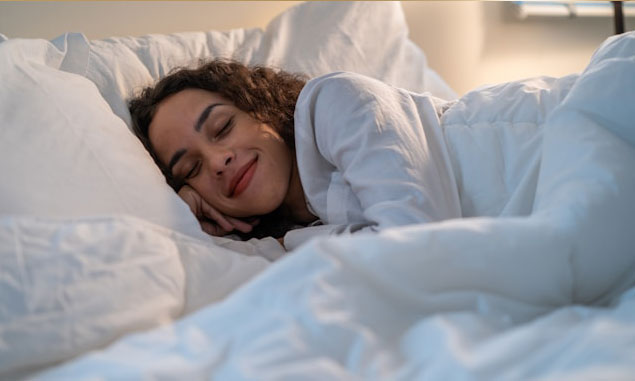
Sleep Disorder Diagnosis & Treatment for Better Daily Health
At NorthStar Sleep Center, we diagnose and treat a wide range of sleep disorders—helping patients find lasting relief from common and disruptive sleep issues like insomnia, sleep apnea, and chronic fatigue.
With the right treatment, better sleep at night leads to better health, focus, and energy during the day.
Greater Comfort
All sleep studies are conducted in relaxing, private rooms with all the amenities you’d expect from a comfortable hotel—so you can rest easy in a calm, supportive environment. Our in-lab sleep testing is designed to feel as natural as possible while capturing the critical data needed for accurate diagnosis.
Follow-up care, consultations, and treatment all take place at the same convenient location, ensuring continuity of care and a smooth, stress-free experience from start to finish.
Definitive Results
NorthStar Sleep Center stands out with a significantly higher success rate than many other sleep disorder clinics. That’s because we don’t stop at diagnosis—we provide complete, individualized follow-up care and evidence-based treatment to address the root cause of your sleep issues.
Our team works closely with each patient to ensure lasting results, better sleep quality, and improved overall health.
What is a sleep study?
A sleep study is a diagnostic test that a physician may use to determine if you have a sleep disorder, what type of disorder, and the potential severity of that disorder.
What many people don’t realize is that not all sleep studies are the same—different types are used to evaluate specific sleep disorders and symptoms.
At NorthStar Sleep Center, we offer five key types of sleep studies tailored to meet each patient’s unique needs.

5 Types of Sleep Studies
At NorthStar Sleep Center, we offer five key types of sleep studies tailored to meet each patient’s unique needs:
PSG
Polysomnography (PSG)
is an overnight diagnostic sleep study conducted in the sleep lab. During the study many measurements are taken, including brain activity, stages of sleep, blood oxygen, heart rate, and air flow. A PSG can identify many different sleeping conditions all during the same study, such as obstructive or central sleep apnea, periodic limb movement disorder, and parasomnias.
TITR
Titration (TITR)
Also known as CPAP studies, titration studies are conducted in the sleep lab for patients already diagnosed with sleep apnea. The goal is to determine the ideal CPAP pressure needed to manage their condition. In some cases, the physician may recommend a Split Night Study, where the first half of the night is used for diagnosis (PSG) and the second half for CPAP titration.
HST
Home Sleep Tests (HST)
Home sleep tests are a convenient option for patients with a strong likelihood of having sleep apnea. However, they’re not suitable for everyone, and a sleep specialist will determine if an HST is appropriate during your office visit. HSTs can only detect sleep apnea and are less accurate than in-lab studies. If recommended, patients receive instructions during their appointment and take home a portable device to use overnight.
MSLT
Multiple Sleep Latency Tests (MSLT)
are sleep studies performed in the sleep lab during a patient’s normal waking hours. This test is primarily used to test for the sleep disorder Narcolepsy, however there are other indications for the test. The MSLT is generally performed during the day immediately following a PSG test. It consists of a series of naps conducted over a period of several hours. The test shows how quickly the patient falls asleep, how consistent that pattern is, and how the brain patterns appear during that time.
MWT
Maintenance of Wakefulness Tests (MWT)
are also sleep lab based studies performed during a patient’s normal waking hours. The difference between this and an MSLT is that during the MWT, a patient must try to remain awake throughout the duration of the test. The test is intended to see if a patient is able to stay awake during the hours of the day when they would normally be awake. It is used to assess any safety concern there may be for the patient to conduct their day-to-day activities.
Sleep Disorder Treatment Options & Solutions
We offer a variety of treatment options for all sleep disorders at our facility. Obstructive Sleep Apnea (OSA) can be treated with a variety of different therapies, depending on the severity of the apnea. The gold standard for treating Sleep Apnea effectively is CPAP Therapy. We provide several different treatment therapies for Obstructive Sleep Apnea here at NorthStar Medical Specialists, including:


Treatment Therapies for Obstructive Sleep Apnea
For patients suffering with insomnia, we offer Cognitive Behavioral Therapy for Insomnia.
Positive Airway Pressure
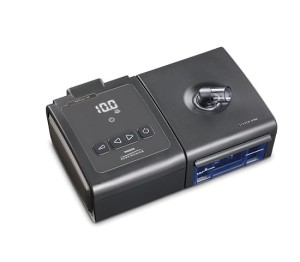
PAP (Positive Airway Pressure) therapy is the gold standard for the treatment of sleep apnea. This treatment involves wearing a mask or nasal pillows system connected to a small portable airflow generator that delivers air at positive pressure. The PAP machine sucks in room air and pushes it through the tubing and mask. The air passes through the nose and into the throat, where the slight pressure keeps the upper airway open and prevents it from collapsing.
There are different types of PAP devices that may be prescribed by a physician depending on the circumstances:
CPAP
CPAP is the most common type of PAP device. These devices are generally prescribed for patients who have been diagnosed with Obstructive Sleep Apnea that is anywhere between the mild to severe range. CPAP stands for Continuous Positive Airway Pressure. These machines are also known as “set-pressure” devices since they are set at the minimal pressure needed to prevent apneas from occurring.
APAP
APAP, or Auto CPAP devices, are devices that change pressure to match the airflow needed to treat apneas throughout the night. These devices are often used temporarily if a patient is lieu of a CPAP titration sleep study in order for the sleep specialist to determine effective set pressure for the patient. These are not always recommended as long term solution, as the variability of the pressure throughout the night may be too much or too little at times.
BiLevel PAP
BiLevel PAP devices provide higher pressure while breathing in, and lower pressure while breathing out. These devices are mainly used for patients who have obstructive sleep apnea, but are unable to tolerate a traditional CPAP due to difficulty exhaling on a continuous pressure.
ASV
ASV (Adapto Servo Ventilation) is a specialized PAP device used for patients with Central Sleep Apnea or a mix of Central and Obstructive Sleep Apnea. It functions like a CPAP but can automatically adjust to ventilator mode when needed—breath by breath. During central apneas, it delivers the right pressure to match the patient’s recent breathing pattern, then switches back to standard CPAP mode once normal breathing resumes.
3 basic types of PAP masks available for use with the PAP device:
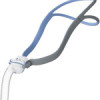 Nasal Pillows are the smallest available mask option, which makes them a popular option for patients. The headgear needed for the mask is minimal and patients can sleep in a variety of positions easily. This mask consists of a small “pillow” which fits inside of the nostrils. Because the air is pushed straight into the nostrils, it is not well suited for higher pressures and can make the pressure feel more intense. Some people find it is more difficult to exhale using this type of mask or that it makes their nostrils feel sore. Some simply don’t like the feeling of something in their nostrils. (Mask shown is the Airfit P10)
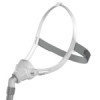 Nasal Masks are a bit bigger than the pillows and consists of a cushion that goes over the nose and headgear. It is a good universal mask that can be used with any pressure. The pressure won’t feel as intense as with the nasal pillows and this option does not irritate the nostrils. (Mask shown is the Swift Nano Fx)
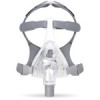 Full Face Masks are a must for people who breath through their mouths at night. They are helpful when a patient has a cold, allergies, or otherwise can’t breath through their nose. This is the biggest/bulkiest of the mask options. It can also be challenging to get a good fit due to variations in face size and shape. There is also a higher chance of leaks while sleeping during a change in sleep position. (Mask shown is the Simplus)
CPAP Options
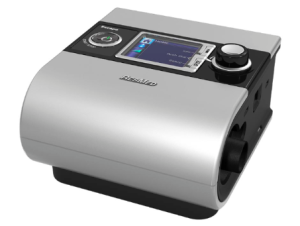
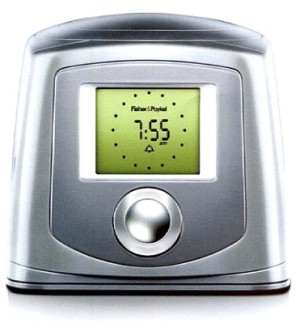
NorthStar Medical works with several different CPAP vendors to provide a wide variety of options and for our patients. We currently offer the newest devices offered from ResMed, Fisher & Paykel, and Philips Respironics.
Forms Download
Sleep Brochure
Sleep Disorder Initial Form Pack
Sleep Referral Form
CPAP Cleaning and Replacement Instructions
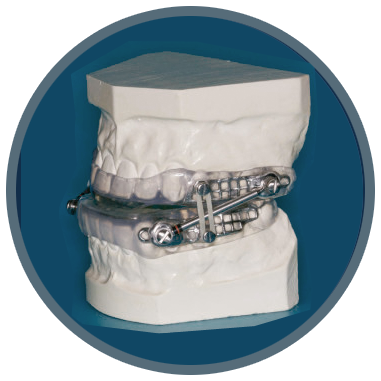
Oral Appliance
Oral appliances are an alternate method which may be used to treat obstructive sleep apnea. These devices are primarily intended for patients who have the milder forms of sleep apnea, however, moderate and severe sleep apnea patients who have failed or refuse CPAP therapy may be candidates to use an oral appliance. It also may be used in combination with other treatments for sleep apnea, such as CPAP, positional therapy or weight loss efforts.
An oral appliance is a removable dental apparatus used at night, which fits similarly to a mouth guard or retainer. The most common type of oral appliance is the mandibular device which moves and then holds the lower jaw in a protruded position during sleep, holding the airway open.
In order to receive an oral appliance, a patient must first be evaluated by a board certified sleep physician, who would determine if an oral appliance is an appropriate treatment. If so, the patient would be referred to a dentist with specialized training in the manufacture and use of these devices, generally a dental sleep specialist.
A follow up sleep study may be recommended after the patient has been provided the appliance. This study is used to test the effectiveness of the device in treating the patient’s sleep apnea. Unfortunately, about one third of patients show no improvement of their sleep apnea while using the oral appliance. CPAP therapy remains the gold standard in treatment of obstructive sleep apnea.
Insomnia
Insomnia can be a very frustrating, long-term condition, leaving some patients feeling like there is no relief in sight. Cognitive Behavior Therapy for Insomnia (commonly abbreviated as CBTi) is a safe, effective method for treating chronic insomnia without medication which has recently come into focus by the medical community. The National Institute of Health has endorsed this therapy. CBTi focuses on working to change the mental and behavioral factors which perpetuate insomnia and its effects.
Patients who undergo CBTi can expect to meet with their sleep specialist on a weekly basis. During that time your provider will conduct a series of assessments with you and then work with you to change the patterns which create your insomnia. Many patients experience relief in as few as four to six sessions, and the impact of the therapy has been found to continue to improve sleep months and years after the treatment has been completed.
Additional Information
Stanford Medical – http://stanfordhospital.org/clinicsmedServices/clinics/sleep/treatment_options/cbt.html
Psychology Today – http://www.psychologytoday.com/blog/sleepless-in-america/200808/cognitive-behavioral-therapy-insomnia
Contact Us
Get in touch to explore your options or schedule a consultation.
Call now: (360) 676-1696
1345 King Street
Bellingham, WA 98229

Contact Info
Tel: (360) 676-1696
Fax: (360) 676-6636
Address:
1345 King Street
Bellingham, WA 98229